
Thermographic Inspection Saint-Hyacinthe
Infrared imaging: detecting heat loss, infiltration, and insulation defects, following the ASTM C1060 standard.
In Saint-Hyacinthe, part of the South Shore / Montérégie area, our certified inspectors and engineers deliver this service directly to local owners, buyers, and condo boards — with the same rigorous process and detailed reporting offered across Greater Montreal.
A thermographic inspection uses an infrared camera to reveal what's hidden behind walls, ceilings, and roofs: heat loss, missing insulation, water infiltration, thermal bridges, and electrical anomalies. It's a non-invasive, non-destructive method — no walls to open, no equipment to dismantle.
In Montreal, Radar Inspection performs thermographic inspections aligned with the principles of the ASTM C1060 standard, for residential and commercial properties.
Request your free quote — 514-550-2444 | info@radarinspection.com
What the service includes
- Heat loss in walls, ceilings, and floors
- Missing, insufficient, or poorly installed insulation, per the principles of the ASTM C1060 standard
- Air infiltration around windows, doors, and envelope joints
- Water infiltration and hidden moisture, particularly under roofing membranes (ASTM C1153 standard)
- Thermal bridges responsible for significant energy loss
- Anomalies in electrical panels, a potential sign of overheating or a faulty connection
- Condensation and frost issues in poorly ventilated attics
- Signs of pest presence (rodents, insects) in the building envelope
How Does a Thermographic Inspection Work?
An infrared camera captures temperature variations on the surface of materials, invisible to the naked eye. These variations often reveal:
- An area of missing, settled, or poorly installed insulation
- Air infiltration around a window or door frame
- Water infiltration or moisture buildup under a roofing membrane
- A thermal bridge in the building envelope
- An abnormal hot spot in an electrical panel, an early sign of a faulty connection
The Conditions Required for a Reliable Result
To be reliable, a thermographic inspection must be performed under specific conditions: a sufficient temperature differential between indoors and outdoors (generally more than 10°C), a dry roof, and no direct sunlight skewing the thermal reading. Our inspectors plan each assignment around these conditions to guarantee a usable result.
Why Radar Inspection
- Complement a pre-purchase inspection: detect problems invisible during a standard visual inspection
- Negotiate with concrete evidence: a documented thermal image carries far more weight than a simple observation
- Reduce your energy bills: pinpoint exactly where heat is escaping to target the right work
- Prevent water damage: detect infiltration before it causes mold or structural damage
- Anticipate an electrical failure: spot a hot spot before it becomes a fire risk
- Document a potential hidden defect as part of a real estate transaction or dispute

Our process
Preliminary assessment
Of weather conditions and the temperature differential required for a reliable result.
Complete thermographic scan
Of the building envelope (walls, ceilings, roof) using an infrared camera.
Electrical panel analysis
When required, to detect thermal anomalies.
Correlation with a visual inspection
To confirm and correctly interpret each anomaly detected.
Detailed report
With annotated thermal images, explained in clear language, including recommendations.
Frequently asked questions
Related services
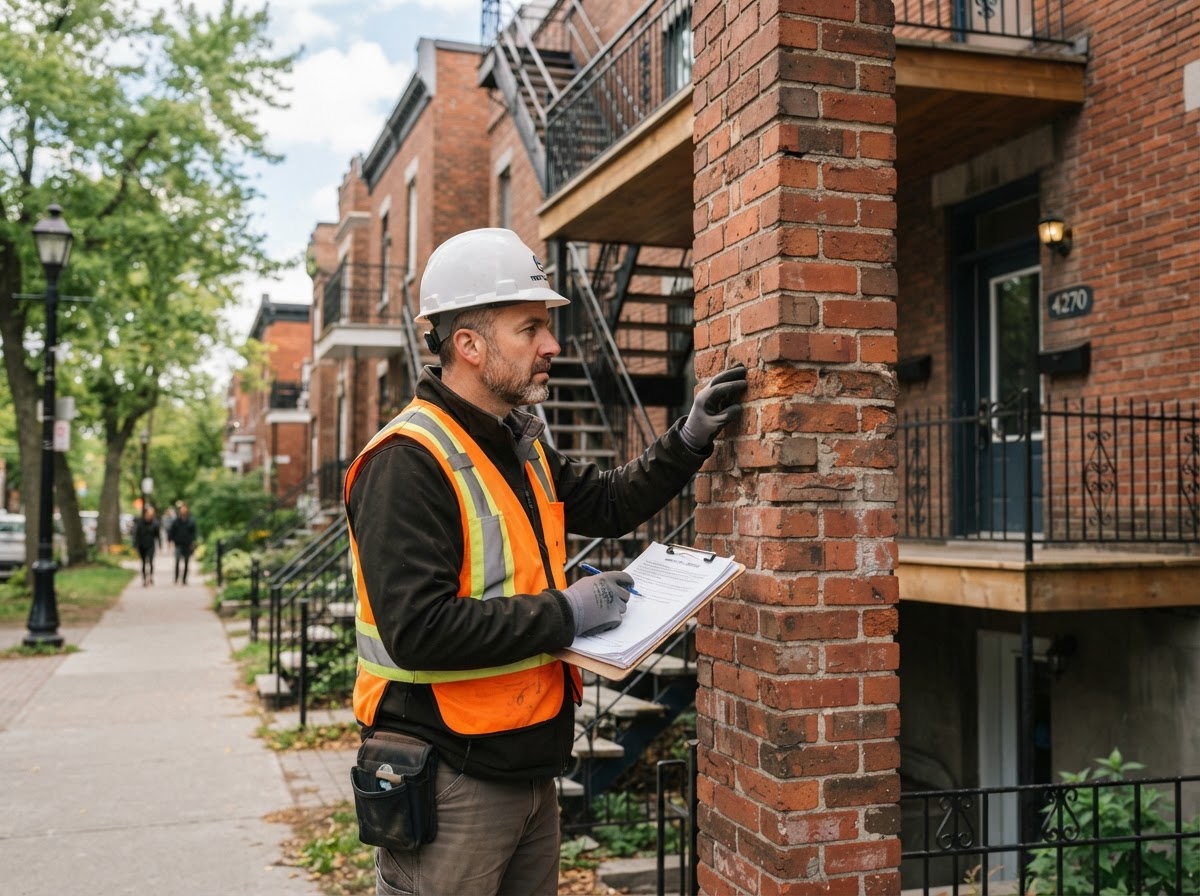

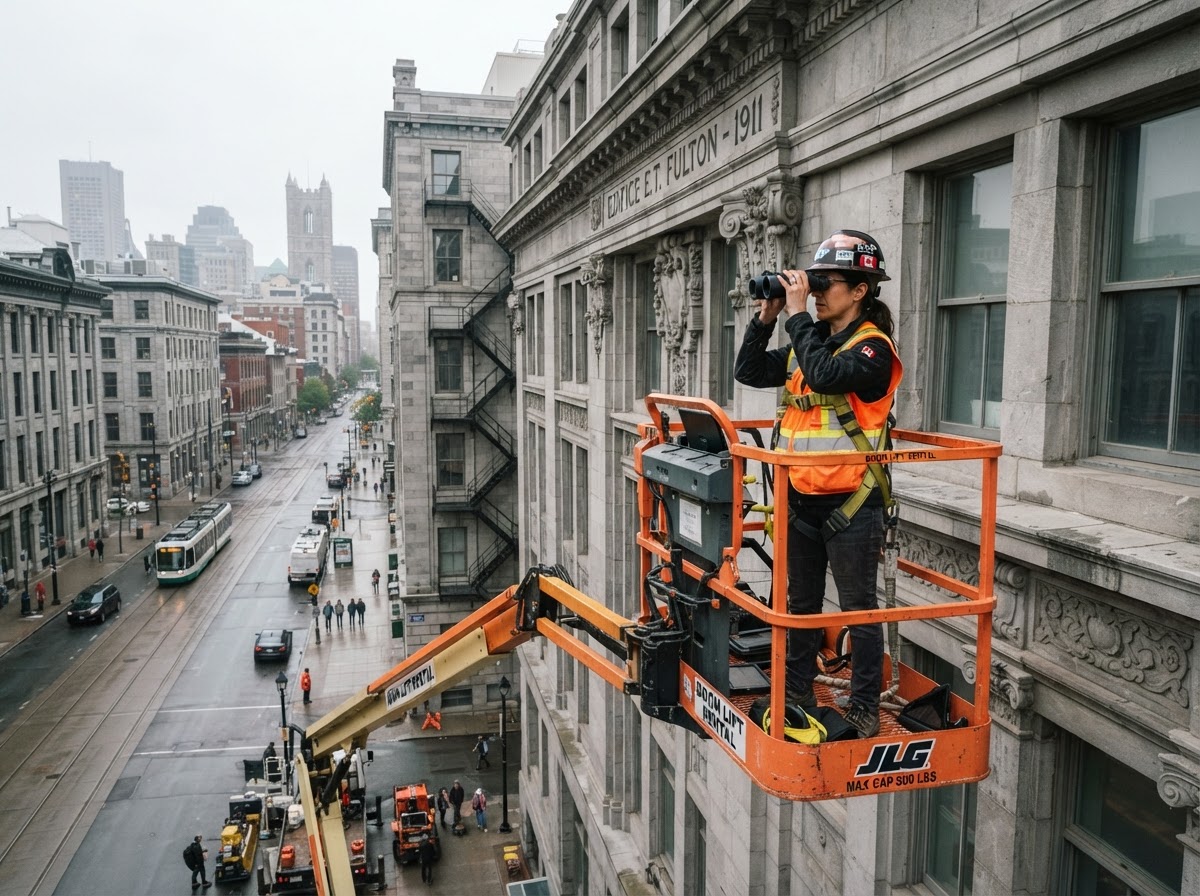

Ready to request a quote for your thermographic inspection?
Infrared imaging: detecting heat loss, infiltration, and insulation defects, following the ASTM C1060 standard.