

Contingency Fund Study Montreal
Contingency fund study compliant with Bill 16, based on a rigorous maintenance logbook.
Your condo syndicate must now obtain a contingency fund study, a legal obligation set out in article 1071 of the Civil Code of Québec since the Bill 16 regulation came into force on August 14, 2025.
Radar Inspection performs this study for condos across Greater Montreal, based on a rigorous maintenance logbook.
Request your free quote — 514-550-2444 | info@radarinspection.com
What the service includes
- Analysis or preparation of the maintenance logbook, if required
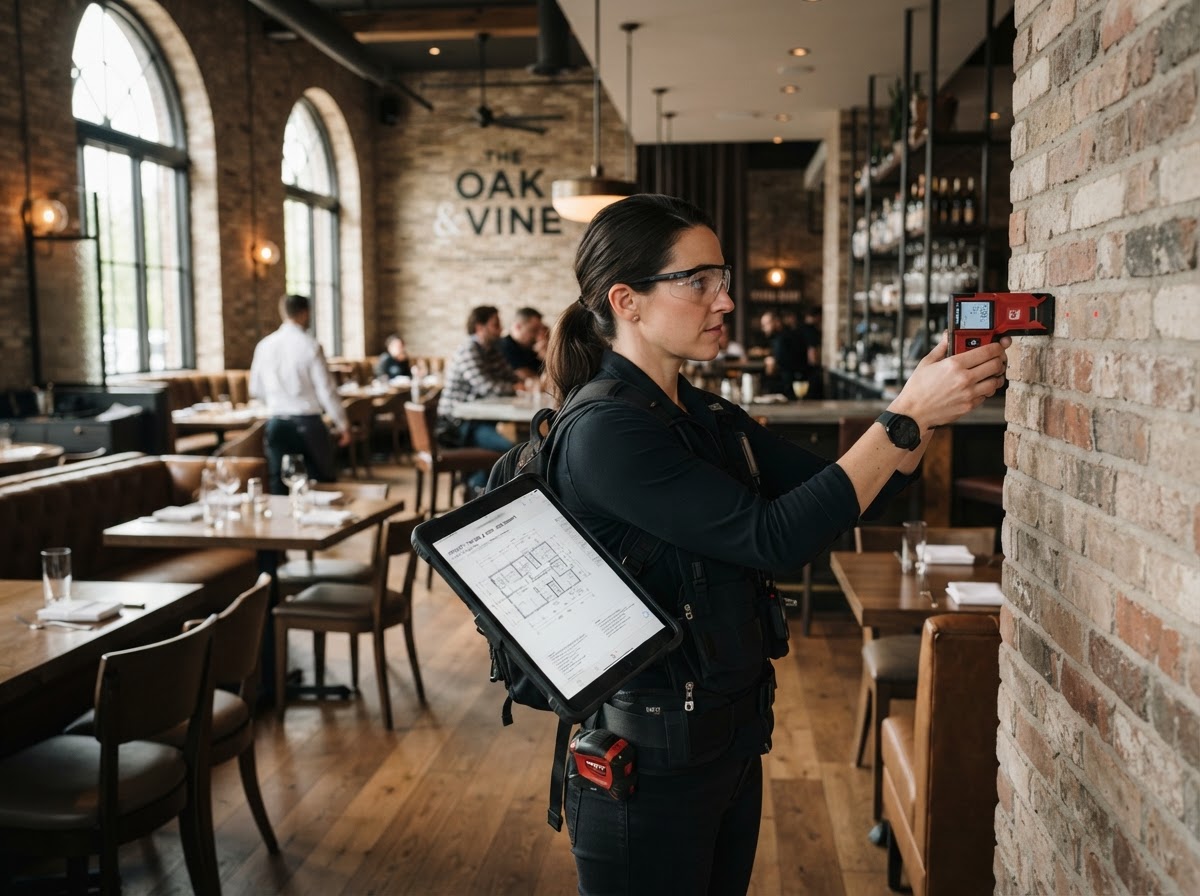
- Complete inventory of common areas
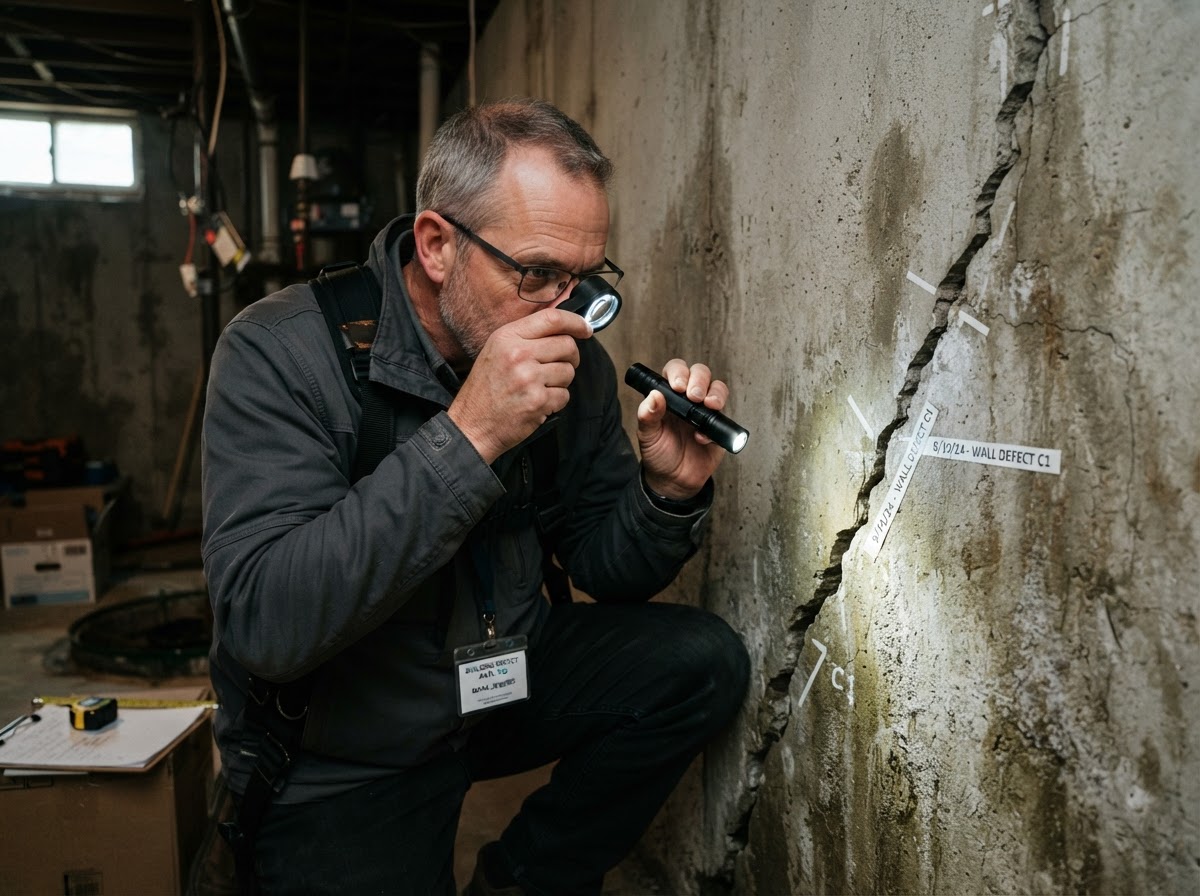
- Assessment of condition and remaining service life for each component
- Cost projection over at least 25 years
- Calculation of recommended annual contributions
- Compliant report delivered to the board of directors
What Is a Contingency Fund Study?
A contingency fund study is a technical and financial report that inventories all of a condo building's common areas, assesses their condition and remaining service life, then projects major repair and replacement costs over a minimum 25-year period. It then determines the amounts the contingency fund must hold each year to avoid unpleasant surprises — and the unplanned special assessments that result from them.
- Legal basis: article 1071 of the Civil Code of Québec, amended by Bill 16
- In force since: August 14, 2025
- Deadline for the first study: no later than August 15, 2028 (3 years and 1 day after coming into force)
- Frequency: mandatory update at least every 5 years
- Who can perform it: only a qualified engineer (OIQ), architect (OAQ), professional technologist (OTPQ), chartered appraiser (OEAQ), or chartered professional accountant (CPA)
- Mandatory for: all divided co-ownership syndicates in Quebec, regardless of building size
The Link with the Maintenance Logbook
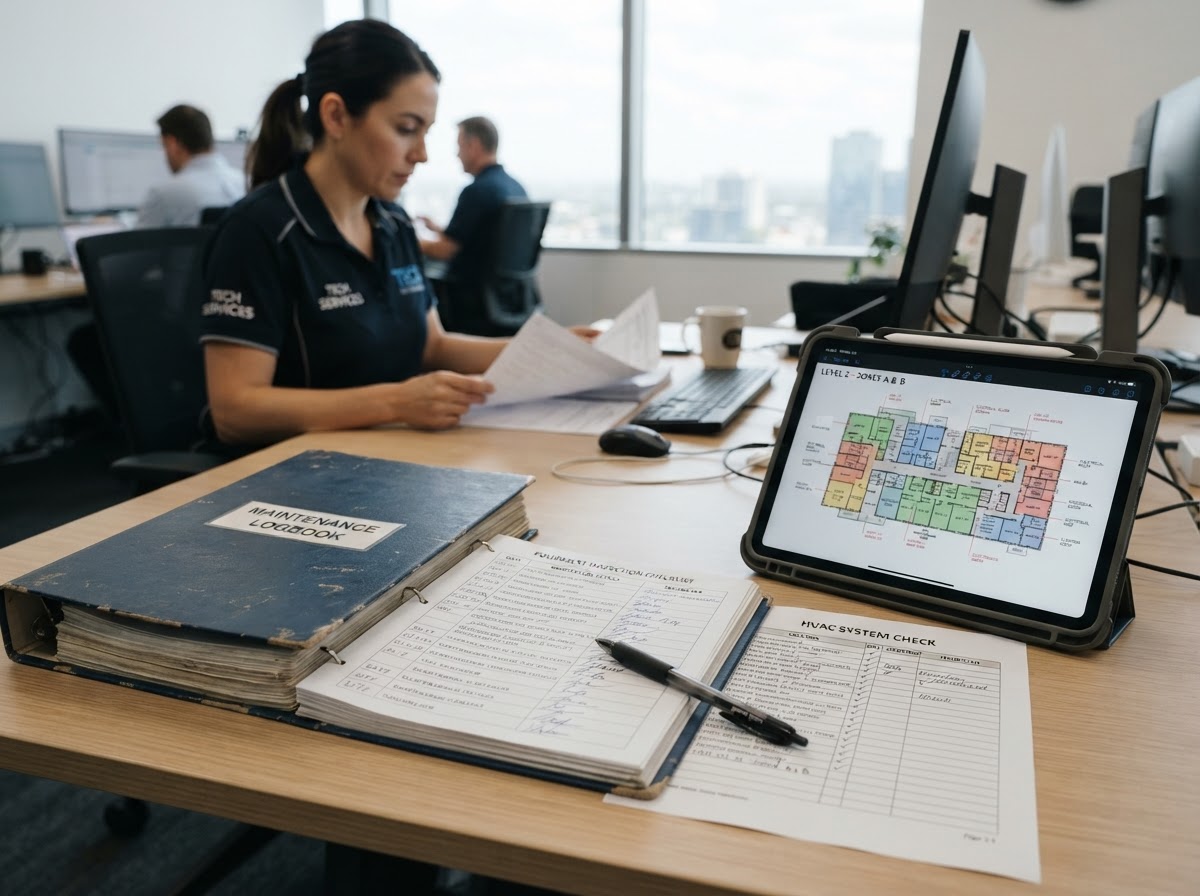
The contingency fund study must be based on a valid maintenance logbook, also required under Bill 16 (article 1070.2 C.c.Q.). The maintenance logbook lists all of the building's components, their condition, and recommended maintenance cycles — the base data the study uses to calculate the required financial contributions. These are two distinct obligations, but completing both together ensures consistency and often reduces overall costs for your condo.
Why Radar Inspection
- Avoid unplanned special assessments that strain relationships between co-owners
- Comply with a legal obligation, with a clear deadline (August 15, 2028)
- Protect resale value of units — an up-to-date condo file reassures buyers and avoids transaction delays
- Prevent disputes between co-owners linked to poor financial planning
- Ensure the building's long-term sustainability by adequately funding upcoming major repairs and replacements
- Provide an official document required as part of the condo's records

Our process
Collection of relevant documents
Declaration of co-ownership, work history, financial statements.
Analysis or preparation of the maintenance logbook
If your condo doesn't already have a valid one.
Complete inventory of common areas
Structure, roof, mechanical and electrical systems, finishes, exterior features, etc.
Assessment of condition and remaining service life
Of each component.
Cost projection
Major repair and replacement costs over a minimum 25-year period.
Calculation of annual contributions
Recommended for the contingency fund.
Final compliant report
Delivered to the syndicate's board of directors.
Frequently asked questions
Related services

Ready to request a quote for your contingency fund study?
Contingency fund study compliant with Bill 16, based on a rigorous maintenance logbook.